Episode 15
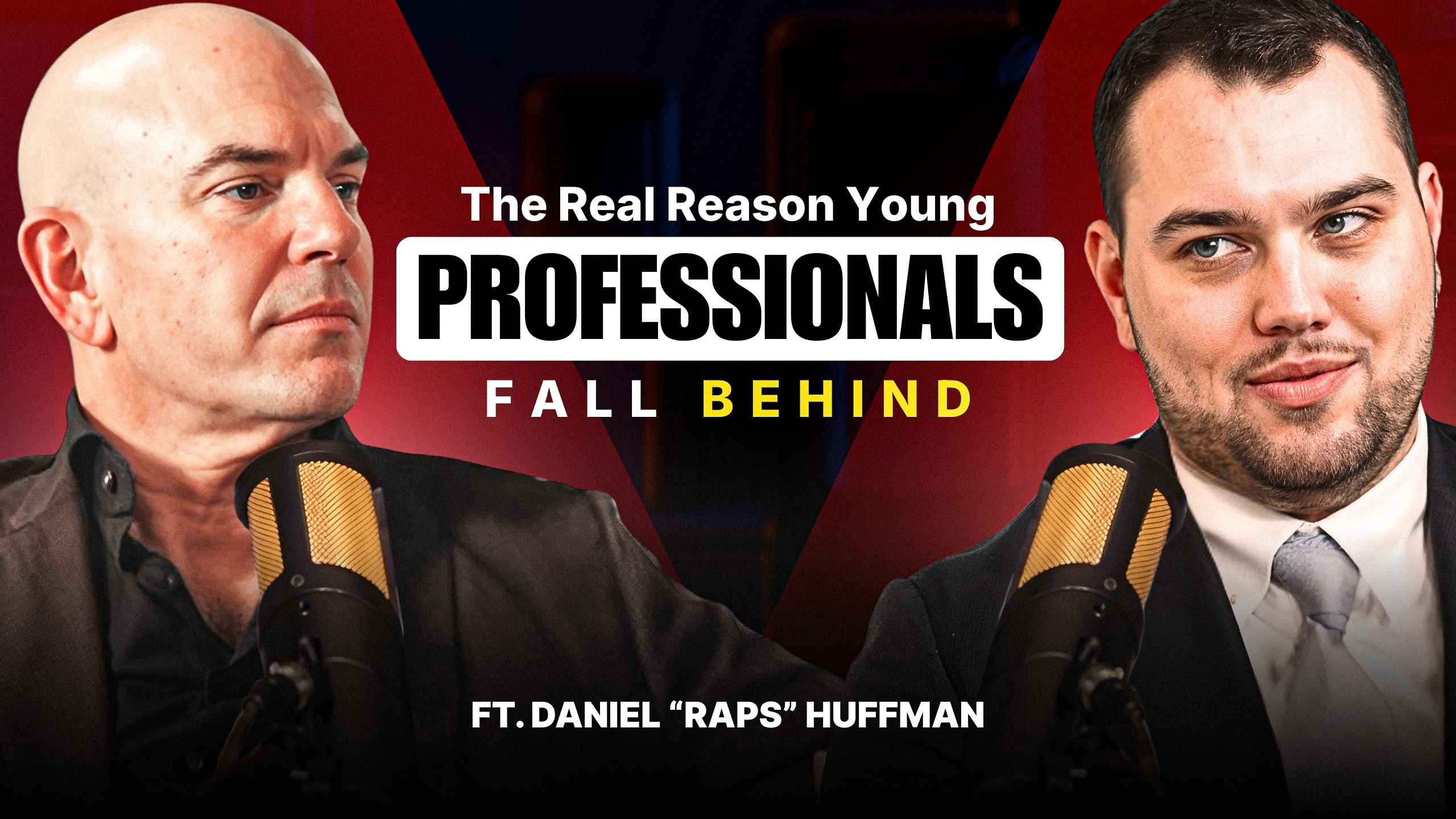
 Daniel “Raps” Huffman moved to Atlanta in March 2022 with one hire: a kid named Adam who was working out of his parents’ bedroom while getting licensed. There was no office. No clients. No playbook.
Today, Raps is the Regional Vice President of Georgia Financial Advisors, overseeing 80 people across Atlanta and Savannah. His first five hires all became vice presidents at different offices. The company went from startup to household name in financial services.
“My success is I just didn’t leave. I just didn’t quit.”
Raps did not start as a natural leader. By his own admission, he coasted through UGA, went to class less than he skipped, and treated college like “summer camp for adults.” He knew that if he carried that same behavior into the real world, he would fail. So he deliberately sought discomfort.
In this episode of the Take The Power Back podcast, Raps sits down with Jason Mickool to break down how he built a winning team from nothing, why your first five hires matter more than anything else, and what it takes to lead when imposter syndrome is telling you to quit.
Watch the full conversation on YouTube or listen on Podbean.
When Raps launched the Atlanta office, he called his first group of managers “the JAMS”: Jackie Gailey, Adam Granville, Manny Gino, and Zach Greenhill. They met Monday nights at 7 or 8 PM for extra training sessions. People asked why they were staying late. The answer was simple: this is what it takes to build something.
“The most important hires are always your first five. You’re not hiring financial advisors. You’re hiring a future. You’re creating missionaries who have to work in the trenches and fight this battle with you.”
Every one of those early hires became a vice president. Adam runs Jacksonville. Manny runs Savannah. Zach runs Providence. The pattern repeated because Raps understood something most new managers miss: your first hires are not employees. They are the culture. They will either multiply your standards or dilute them.
There is a chemical reason this works. When people face adversity together, the brain releases oxytocin. That is the same feeling you get eating chocolate. It feels good. It creates bonds that do not break easily. Raps built his team through shared struggle, not shared comfort. If you want to learn more about our mission to connect ambitious people with real opportunity, this is why culture matters.
The first months in Atlanta nearly broke him. Raps had crippling panic attacks going into work. He called his wife Vicki from the car, unsure if he could walk through the door.
“You get imposter syndrome very, very quickly. These individuals are relying on you like baby birds. They watch every move. I remember having panic attacks going into work, crippling panic attacks.”
Vicki’s response became his anchor: you have done harder things in your life. This is not the hardest challenge you have faced. So why should this be the thing that stops you?
The imposter syndrome did not disappear. It faded slowly as he followed a repeatable process. Show up. Do the work. Let results accumulate. The nervousness starts to lift when you stop trying to feel ready and start trusting that the process works.
If you are in your first leadership role and feel like a fraud, that is normal. The people who push through it are not the ones who feel confident. They are the ones who keep showing up anyway.
Raps hit a ceiling. He went to Jason for help getting to the next level. Jason’s answer surprised him: I cannot be the one to help you anymore. Your problems are the same as mine.
That moment changed his trajectory. He started working with a coach named Ray Kelly, paying out of his own pocket every month. The ROI has been unmistakable.
“I would default on my mortgage before I stop paying Ray. That’s the best money my wife and I spend every single month. When the student is ready, the coach appears.”
The logic is simple. Seventy percent of adult learning is by doing. Ten percent is in the classroom. The remaining twenty percent is the X factor: having someone watch your swing, catch your blind spots, and give you anecdotes from their own journey. The best athletes in history have coaches who were not better players than them. That is what makes them good coaches. They had to learn what natural talent never teaches.
If you want to accelerate your growth, stop waiting for your company to invest in you. Invest in yourself. The returns compound. Want to hear from professionals who have made similar investments? Book a speaker for your organization.
Ray taught Raps a framework from a Holocaust survivor: replace “I have to” with “I get to.”
Instead of “I have to stay late to learn this process,” it becomes “I get to stay late.” Instead of “I have to deal with this challenge,” it becomes “I get to deal with this challenge.” The shift sounds small. The effect is not.
“Most people will go their entire existence and never stop to smell the roses and say, I get to walk in the rain today. I get to come in for an interview at eight in the morning. I get to deal with the challenges in life. And I’m empowered to overcome them.”
The reframe works because it shifts obligation into opportunity. When something feels like a chore, you resist it. When something feels like a privilege, you engage with it. Both require the same action. Only one builds momentum.
If you are early in your career and everything feels like a grind, try the switch. You do not have to network. You get to. You do not have to learn new skills. You get to. The work stays the same. Your relationship to it changes.
Raps has a test for whether a company is worth your time: is it expanding or contracting?
“Leadership without a vision is stupid. If you’re working for a company and you don’t see a clear vision as to where it’s going, not what they’re doing, but where they’re going, you’re not going to stay long term.”
Look at what is happening across industries. Verizon cut 13,000 heads. JP Morgan and Morgan Stanley are slashing roles. These companies are contracting, trying to right-size for AI and automation. Their vision is shrinking.
The companies worth joining are doing the opposite. They are hiring, training, expanding into new markets. They are building infrastructure for a future that does not exist yet. That is where young professionals should be.
If your company feels disruptive and uncomfortable, that is probably a good sign. Nobody built anything significant without making noise and creating change. If it feels safe, stable, and predictable, ask yourself whether that safety is a ceiling. Check our Incubator Hub to start building something of your own, or browse jobs from companies that are still growing.
Focus everything on your first five hires. Daniel “Raps” Huffman built an 80-person region by treating his early team members as missionaries, not employees. He held extra training sessions at night. He led from the front. Every one of those first hires became a vice president. The first people you bring in define the culture. Hire for character and commitment, then develop skill together.
Recognize that feeling like a fraud does not mean you are one. Daniel Huffman had panic attacks driving into work during his first months leading a team. His wife reminded him he had done harder things in his life. The imposter feeling fades when you follow a repeatable process and let results accumulate. You do not need to feel ready. You need to keep showing up.
Yes, if you treat it as an investment with measurable return. Daniel Huffman says he would default on his mortgage before he stopped paying his coach. The ROI comes from retaining more people, making better decisions, and spotting blind spots you cannot see yourself. The best athletes have coaches who are not better players. That is what makes them good coaches. Stop waiting for your company to develop you. Pay for your own growth.
Ask whether the company is expanding or contracting. Daniel Huffman looks at whether a company has a clear vision for where it is going, not just what it is doing today. Companies laying off and right-sizing have contracting visions. Companies hiring, training, and entering new markets are building toward something. If your role feels safe but stagnant, that safety may be a ceiling on your growth.
Have more questions? Visit our FAQ page or contact us directly.
“This story was first posted on Take the Power Back on March 10, 2026.”