Episode 9
 Mike Vietri has watched talented people fail for 35 years. Not because they lacked skill. Not because they were lazy. They failed because they believed hard work alone would get them promoted.
“Something’s wrong. It’s not always the person, it’s the systems. Systems that will guarantee your success.”
Today, Mike is Chief Distribution Officer at AmeriLife, overseeing more than 700,000 advisors across health, wealth, and institutional businesses. He grew up in a small town in upstate New York, swept floors at his uncle’s donut shop for a couple bucks a day, and ran a paper route at eight years old. His father spent 35 years as a life insurance agent at MetLife, which is where Mike started his own career as a 100% commission agent knocking on doors.
From there, he spent five years building his own practice, then moved into running a small agency, then became a regional VP managing 20 distribution offices, and eventually ran distribution for MetLife and New England Financial before joining AmeriLife. He built his career by understanding something most people never figure out: the rules of corporate advancement have nothing to do with working the longest hours.
In this episode of the Take The Power Back podcast, Mike sits down with Jason Mickool to explain what gets people promoted. The conversation covers why systems beat raw effort every time, the leadership skill most people ignore until it destroys their career, what “dress for the job you want” means in practice, why Gen Z is smarter than older generations give them credit for, and how to build a career with residual income instead of starting at zero every year.
Watch the full conversation on YouTube or listen on Podbean.
Mike has seen the same pattern repeat across thousands of people: someone talented joins an organization, works harder than everyone else, and still flames out. The problem is not effort. The problem is expecting effort alone to produce results.
“The biggest challenge I’ve had is getting people to understand why they need to execute on the system. The differentiator between those who are successful and those who are not clearly starts with having that system in place.”
Most people think growth means moving from 50-hour weeks to 110-hour weeks. Mike calls this a recipe for burnout, not success. You can only be in so many places, focused on so many things. Without a system that compounds your efforts, more hours just means more exhaustion.
“Most people think in order for me to grow, I’ve gotta move my work week from 50 hours a week to 110. You can’t do that. Most people have to learn the hard way.”
The people who advance are not the ones grinding the hardest. They are the ones who master a repeatable process and communicate it clearly. Learn more about our mission to connect students with employers who invest in systems and development.
Mike describes corporate leadership like being in the center of a compass. You have to lead up, lead down, and lead sideways all at once. Most people only think about managing the people below them. That is a career-limiting mistake.
“It’s communication times 10. Many people think they can sort of not have a good relationship with the people within the organization, and they kind of disrespect them. That’s a road for disaster.”
The executives who advance are the ones who can communicate the same message to their boss, their peers, and their direct reports in ways each group can receive. They also understand that everyone in the organization can help or hurt their career.
“Everybody in the organization can help you get to where you want to go, and you never know who that next person is.”
Mike has watched successful leaders get sidetracked by failing to communicate or by getting involved in situations they should have avoided. Once someone is afraid to talk to their leader, it is over. Avoidance never solves problems. It only makes them worse. Looking for employers who invest in leadership development? Browse jobs from companies that value growth.
Mike is direct about something most people think is outdated: how you present yourself determines how far you go. This is not about vanity. It is about signaling that you belong at the next level.
“Always dress for the job you want, not the job you have. Look at what your leader’s wearing, how he presents himself, how he talks, how he shakes hands, how he respects people.”
He points out that culture flows from the top. Whatever the senior leader emulates becomes the standard. If that person is in a suit and you show up in sweatpants, you are signaling that you are not ready. It does not matter how talented you are.
“You don’t stand a chance if you don’t fit with the culture. If that person is a suit and tie and you’re in sweatpants and a t-shirt, you have a problem.”
This extends beyond the office. Mike argues that even at a bar, you never know who is sitting next to you. Your next multimillion-dollar client could be watching. Your next boss could be forming an impression. Dress and carry yourself like you already have the job you want. If you want to hear from more professionals who understand what it takes to advance, book a speaker for your student club or organization.
Mike pushes back hard against the narrative that Gen Z is lazy or entitled. He manages hundreds of thousands of people across multiple generations and sees something completely different.
“These kids are extremely bright. They know what they want. They’re locked and loaded in terms of the credentials and the intelligence to be able to accomplish that.”
He describes Gen Z as having critical thinking skills off the charts, strong technology instincts, and a competitive drive that surprises people who only read headlines. They ask more questions than previous generations, and some leaders do not want to answer them. That is a leadership failure, not a generational flaw.
“Just because they’re not going out and working 12 hours or 14 hours a day like many of the people in the business before that, they’re doing it smarter. And making a hell of a lot more money.”
Mike shares that his own son joined a company after college and has already held three positions in five years because of the growth opportunities available. The key for Gen Z is finding organizations with systems, processes, and leaders willing to invest in their development.
“They’re looking for leadership. They’re looking to make a nice living for their family. Once they recognize that you have their best interests at heart, they’ll run through walls for you.”
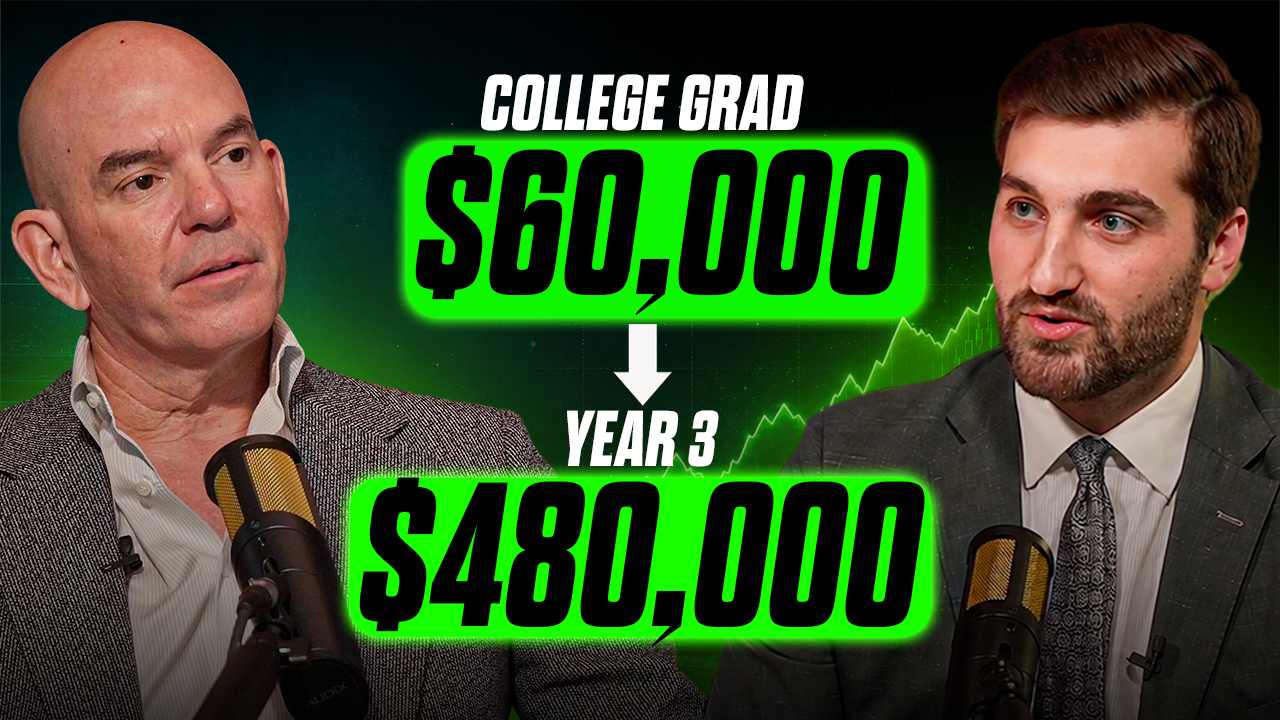
AmeriLife has grown rapidly over the past four years by acquiring organizations with strong leadership and proven systems, including a significant investment in Jason’s firm, Florida Financial Advisors. Mike points out that in sales careers, the longer you stay, the more your residuals build. Within a couple of years, you can have hundreds of thousands of dollars coming through without new sales, just from servicing your existing book. Compare that to pharmaceutical sales or retail management, where you start at zero every single year. If you are ready to build something of your own while learning from experienced mentors, the Incubator Hub can connect you with resources and community.
Hard work alone does not guarantee career advancement. Mike Vietri has spent 35 years watching talented, hardworking people fail because they lacked systems and communication skills. The people who advance are not necessarily the ones working the most hours. They are the ones who execute on proven processes and communicate effectively across all levels of the organization. Working 110 hours a week without a system just leads to burnout, not promotion.
Moving into leadership requires communication skills, the ability to build and maintain relationships at all levels, and a proven system you can teach others. Mike Vietri describes leadership as being in the center of a compass where you must lead up, down, and sideways simultaneously. Results are table stakes, but the differentiator is your ability to get buy-in from supervisors, peers, and direct reports while keeping everyone aligned on the same goals.
Professional appearance significantly impacts career growth because it signals whether you fit the culture at the next level. Mike Vietri advises dressing for the job you want, not the job you have. He points out that culture flows from the top, so observing how senior leaders present themselves, speak, and interact gives you a template. First impressions affect whether decision-makers see you as ready for more responsibility, regardless of your skills.
Gen Z workers are highly capable and often outperform expectations when given proper systems and leadership. Mike Vietri, who oversees more than 700,000 people across generations, describes Gen Z as extremely intelligent with strong critical thinking skills and technology instincts. They work smarter rather than longer hours and demonstrate intense loyalty to organizations that invest in their growth. The narrative that Gen Z is lazy or entitled does not match what leaders see when they hire and develop young talent.
Have more questions? Visit our FAQ page or contact us directly.
“This story was first posted on Take the Power Back on January 26, 2026.”